
"harvest months"
3000 article(s) found
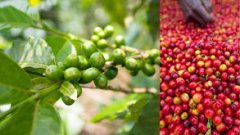
The basic knowledge of coffee the growth process of coffee
The coffee covered with endocarp will be planted in the seedbed (a plastic flowerpot called pot) and will germinate in 40 to 60 days and grow to about 50 centimeters in about 6 months after germination. At this stage, the seedlings are still fragile and must be covered with cold gauze and other things to block direct sunlight. The seedlings blossomed about three years after they were transplanted from the seedbed to the garden. During this period, Central America and others collected by hand.

How coffee is sown and harvested
Seeds, not beans. In fact, coffee beans are the seeds of red-skinned coffee fruits that look like ripe cherries. Each fruit usually contains two seeds, which must be taken out and dried to produce two raw coffee beans to be roasted later. The coffee wrapped in endocarp will be planted to the seedbed and will germinate in 40-60 days and grow to about 50 cm in about 6 months after germination. In

What is the process of making coffee beans? what coffee beans grow in what coffee belt?
A cup of coffee alone contains an esoteric story. Do you know how coffee grows into the cup? How coffee beans are made, in fact, is to remove the peel, pulp, endocarp, silver skin and other parts of the fruit, you can get raw coffee beans, and start the output operation. It takes about three years for coffee to be planted and harvested from the beginning, but from the beginning to the beginning.
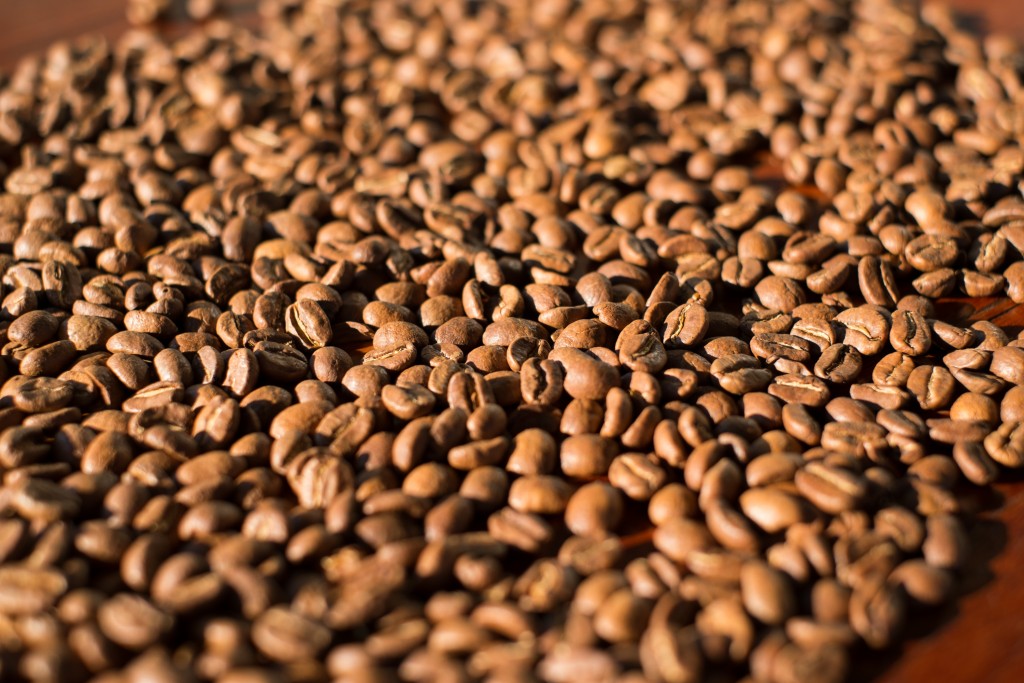
The export volume and volume of Nicaraguan coffee rose.
According to a report by Taiwan's United News Network on August 17, according to the official report of Nicaragua, in the first nine months of this harvest year, Nicaraguan coffee exports increased by 23.2% and 9.5% respectively compared with the same period of the previous year. According to a preliminary report from the Nicaraguan Export Trading Center (Cetrex), from October 2014 to July 2015, Nigeria's coffee exports totaled US $329.2 million.

Heavy rain + drought Brazil chaotic weather makes coffee futures soar 77%
Continued drought hits Brazil's coffee industry hard. Next year, however, the weather could be even worse, when Brazilian coffee production falls for three consecutive years for the first time since 1965. Brazil's coffee bean production will fall 18 percent to 40.1 million bags after the harvest season ends next month, Bloomberg News reported Wednesday, citing forecasts from Brazil's National Coffee Council. Each bag weighs 60 kg. last year's crop

Chaotic weather in Brazil makes coffee futures soar 77%.
The continuing drought has hit Brazil's coffee industry hard. However, the weather is likely to be even worse next year, when Brazilian coffee production will fall for the first time since 1965 for three consecutive years. On Wednesday, Bloomberg News quoted the Brazilian National Coffee Council as saying that Brazilian coffee bean production would fall 18% to 40.1 million bags at the end of the harvest season next month. Each bag is 60 kilos. Last year's production
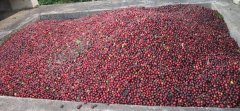
Effect of High temperature and drought in Brazil on Coffee Bean Agricultural products; World Coffee Bean production is on a sharp decline
Coffee prices soar after poor harvests and unmet demand as Brazil suffers from the worst drought in nearly 20 years, global consumption will exceed production this year as global coffee prices continue to rise and could push up the cost of breakfast tables as Brazil, the world's largest coffee producer, faces one of the worst droughts in nearly a century. Arabica
ICE cocoa futures are down 4% this week. Arabica coffee futures are lower.
New YORK / London (Reuters)-ICE cocoa futures fell on Friday, their lowest weekly decline since June 2013, on rising expectations of a glut. Arabica coffee futures fell as the industry raised expectations for the 2014 15-year harvest in Brazil, the largest grower. ICE raw sugar futures hit a seven-month low on volume, with the October contract expected to expire this month

What kind of coffee is good in Nicaragua? how about American coffee? introduction to American coffee.
For more information about coffee beans, please follow the coffee workshop (Wechat official account cafe_style) Matagalpa in Nicaragua is amazing scenery, beautiful city and some of the best chocolates and coffee in the world. Would you mind a good cigar? Then this area suits you, too. The mountains of northern Nicaragua; Matagalpa may be famous in Nicaragua

Description of the Flavor of Coffee picking and growing process introduction to the Regional treatment of Coffee varieties
Coffee beans coffee trees begin to bear fruit about three to five years after sowing, and the next 20 years from the beginning to the fruit will be a high-yielding period. In order to facilitate harvesting, farmers usually control the pruning of coffee trees to about 2 meters, because if they grow too high, they have to climb a ladder to pick, which is not only time-consuming, but also may damage the tree by bending branches. Coffee trees need some tall shade trees to be planted together.

How to mix coffee to make a cup of coffee with excellent taste
This is because the overall quality of raw coffee beans will decline with preservation, but the rate of decline is different for different coffee beans. For example, if three manors are used in a blend of coffee, it is very likely that the quality of beans in one estate will decline a lot from the second month, but the other two beans are likely to be able to maintain a high level for five months without obvious.

How long does it take for coffee trees to produce coffee bean fruit?
How long does it take for coffee trees to grow coffee beans and flowers, then wither after two or three days of blooming, and begin to bear fruit a few months later. The fruit is a drupe with a diameter of about 1.5cm. It turns green at first, then turns yellow gradually, and turns red when ripe. It is very similar to cherries, so it is called cherry coffee (Coffee Cherry). It can be harvested at this time. Coffee tree, coffee tree, mature coffee.

Characteristics of Panamanian coffee beans the characteristics of Panamanian coffee beans Rosa coffee
Mr. Wilford, the owner of the estate, in addition to the extremely strict treatment of coffee cultivation, the purification of raw beans after treatment is also more stringent than those of the same industry. In the case of Alida of Panama, after processing raw beans, it needs to go through more than 5 months of low-temperature Resting to remove green, so that the flavor of coffee can have a more balanced and full development. (low temperature Resting was developed by coffee guru George Howell at 20.

Introduction to the blending of fine coffee introduction to the proportion and types of coffee blending
In the field of boutique coffee, great efforts have been made to test and study the varieties, harvest and treatment methods of coffee. Tim, for example, has spent a long time working with farmers to experiment with different ways of harvesting and handling coffee. In addition, boutique coffee shops respect coffee farmers and take the initiative to raise the purchase price of good coffee, hoping that farmers will have the enthusiasm to produce better quality coffee beans so as to achieve sustainable development and

Coffee Bean planting process-Coffee Bean growing region of Latin America
The planting process of coffee beans-the growing area of coffee beans in Latin America enters the peak period about 1-2 years after the first production period. Coffee trees generally bloom in 3-4 years, about 2-3 months a year, and their appearance and smell are similar to those of jasmine. the flowering period is 3-5 days. After the flowers bloom, they bear small green fruits, which ripen and turn red into ripe fruits that can be picked after a few months. Mature

Espresso / how to spell out a recipe suitable for espresso
To make a coffee mix, even if it is seasonally made (usually in about 3 months, the coffee shop will change the mix), it is hard to avoid that the aroma and taste of the mix will not be as good as when it was first launched. This is because the overall quality of raw coffee beans will decline with preservation, but the rate of decline is different for different coffee beans. For example, 3 is used in a match

Where did coffee come from?-when did China start to produce coffee?
Where did coffee originate-when did Ethiopia, China, begin to produce coffee? Ethiopia still maintains the Roman Julian calendar, with 13 months, with 30 days in the first 12 months, and 5 days in the thirteenth month, with 6 days in leap years. Beginning in spring, there is the Ethiopian New year (Tseday) on September 11th. This is the beginning of the harvest season, as well as parties and weddings.

Coffee planting methods and steps growing environment and process tutorial _ can coffee trees be planted at home?
Professional coffee knowledge exchange more coffee bean information please pay attention to the coffee workshop (Wechat official account cafe_style) is there no coffee grown in Europe, how do coffee beans from Ethiopia, Colombia and Panama become so famous, what are the conditions for coffee cultivation, how is coffee planted, what is the process of production, and where is the quality coffee generally grown?
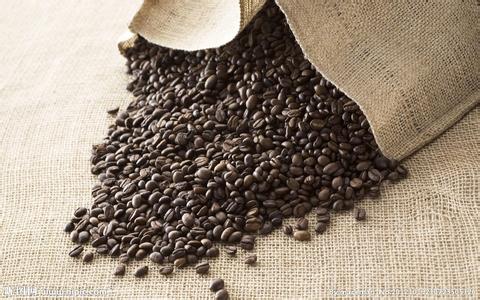
El Salvador's coffee exports rose 17.1% in April compared with the same month last year.
According to Taiwan's Central News Agency, according to a preliminary report by the Salvadoran Coffee Commission (CSC), El Salvador's coffee exports increased by 17.1% in April compared with the same period last year. The Salvadoran Coffee Commission reported that El Salvador exported a total of 90 9675 grams of coffee in April at an average price of US $198.71 per gram and the export value equivalent to US $19.8 million. According to official statistics, 2013

Introduction to the flavor of mixed coffee with pineapple aroma
To make a coffee mix, even if it is seasonally made (usually in about 3 months, the coffee shop will change the mix), it is hard to avoid that the aroma and taste of the mix will not be as good as when it was first launched. This is because the overall quality of raw coffee beans will decline with preservation, but the rate of decline is different for different coffee beans. For example, it is used in a matching